
Investing in your Foundation: A Guide to Calcium
Calcium is one of the most talked-about minerals in nutrition, yet it’s also one of the most misunderstood.
Most people know calcium is important for bones, but fewer understand how age, diet, absorption, and supporting nutrients influence how well calcium actually works in the body.
Why Calcium Is More Than a “Bone Supplement”
Calcium plays a role in:
-
Bone structure and density
-
Muscle contraction and relaxation
-
Nerve signalling
-
Heart rhythm and cellular communication
Because blood calcium levels are tightly regulated, the body will draw calcium from bone if intake or absorption is insufficient. This makes consistent, usable intake over time far more important than occasional high doses.
How Calcium Needs Change With Age
-
Younger years: Calcium supports bone development and peak bone mass
-
Mid-life: The focus shifts to maintaining bone density
-
Later life: Absorption efficiency declines, while bone breakdown increases
Hormonal changes (particularly around menopause), reduced stomach acid, and lower vitamin D status can all impact how well calcium is absorbed as we age.
Diet Is the Foundation, But Absorption Is Key
Calcium-rich foods like dairy, leafy greens, nuts, and fortified products are an important starting point. However, absorption isn’t guaranteed.
Factors that can reduce calcium uptake include:
-
Low vitamin D
-
Digestive issues
-
High caffeine or alcohol intake
-
Highly restrictive diets
-
Certain medications
This is where calcium form and delivery become relevant.
Different Types of Calcium (In Simple Terms)
Not all calcium supplements behave the same way in the body. Broadly, they fall into a few categories:
Wholefood / Plant-Based Calcium
Derived from natural sources and often paired with trace minerals, these forms are generally gentle on digestion and absorbed steadily.
An example is Green Nutritionals Green Calcium, which uses a marine algae source naturally rich in calcium, magnesium, and trace minerals, closer to how calcium appears in whole foods.
Highly Absorbable Mineral Forms
Some calcium supplements use specific mineral complexes designed for improved absorption and tolerance, particularly for people with higher needs or digestive sensitivity.
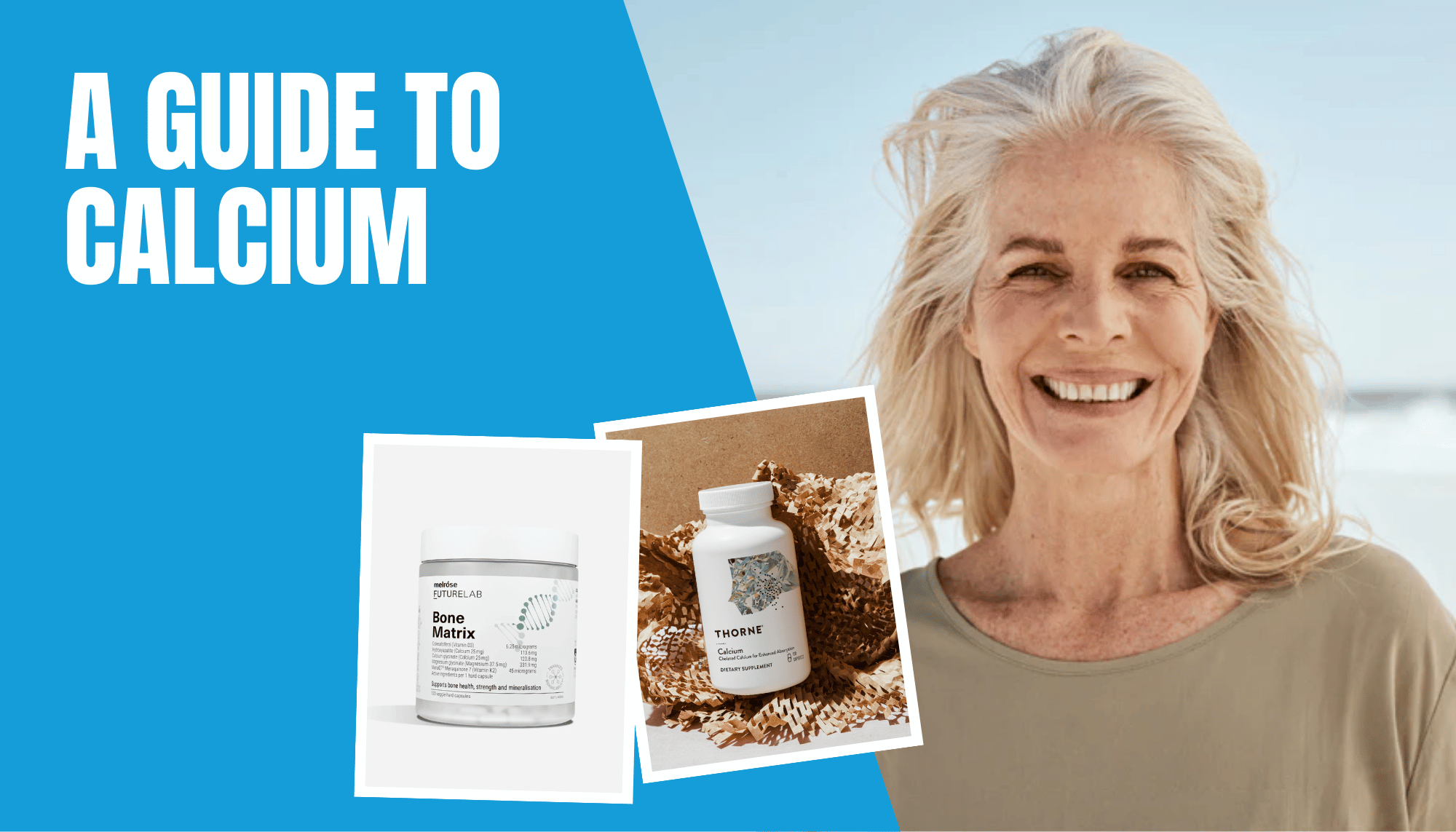
Thorne Calcium, for example, uses di-calcium malate, a form commonly chosen for its bioavailability and professional-grade manufacturing standards.
Calcium With Supporting Nutrients
Calcium works best alongside cofactors like vitamin D, magnesium, and vitamin K2, which help with absorption and proper utilisation.
Formulas such as Melrose Bone Matrix combine calcium with magnesium, vitamin D3, and K2 to support bone strength and mineralisation as part of healthy ageing.
Calcium Doesn’t Work Alone
For calcium to do its job effectively, the body also relies on:
-
Vitamin D to assist absorption
-
Magnesium to support balance and muscle function
-
Vitamin K2 to help direct calcium into bone rather than soft tissue
This is why calcium-only supplementation isn’t always ideal for everyone.
If you’re unsure which approach is right for you, our team is always happy to help you understand the options and find a solution that supports your health over the long term, without overcomplicating things.
Because good bone health is built slowly, thoughtfully, and with the right foundations in place.